Environmental Impact
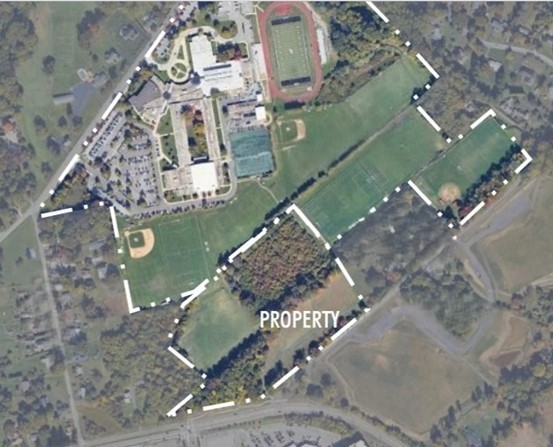
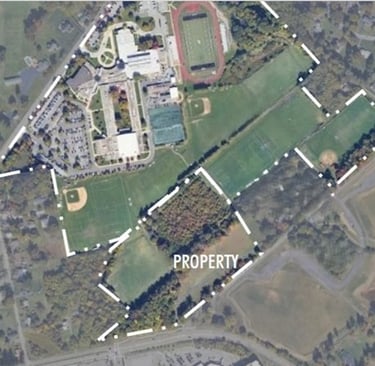
· The proposed site is meadow & woodland with mature trees & is home to a variety of wildlife.
· The site does not have public water or sewer connections & the prior owner did not build due to wet soil conditions raising the possibility of wetlands.
· The district noted the soil does not infiltrate requiring the installation of “an extensive underground system to achieve stormwater drainage” - cost undisclosed.
· The Rose Tree Road tree line will be forever removed & habitat, including wetlands, destroyed causing fragmentation and wildlife displacement.
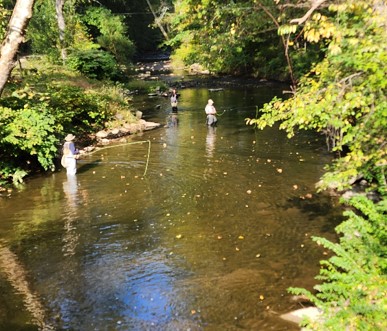
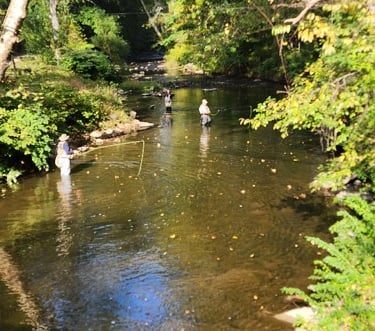
· Stormwater is a major concern - not just for the project but for the Ridley Creek watershed.
· Replacing natural ground with pavement & rooftop prevents rainwater from soaking into the soil reducing groundwater recharge & sending heated runoff, oil/grease, salt, deicers, trash, and harmful pollutants into Ridley Creek.
· Ridley Creek serves as a drinking water resource for over 40,000 people & is impaired for aquatic life support. The impairment is due to stormwater runoff from land development which erodes soil, widens stream channels, smothers & scours aquatic life & introduces harmful pollutants.
· The proposed K-1 project cannot stand on its own - the amount of natural ground covering replaced by pavement & roof exceeds the Township’s stormwater ordinance. The plan is to rezone the property to count Penncrest athletic fields in the runoff calculation - creating the appearance of stormwater ordinance compliance without reducing the quantity of stormwater generated - changing the math, not the environmental impact (the science).
· The land development includes paving a Penncrest field to make a 75-car parking lot.
· Nearby homes rely on well water. Yet there is no discussion about how the land development may affect groundwater quality and quantity.
· A regional K-1 requires additional bus runs & generates significantly more private vehicle trips due to the young student population.
· The buses & cars consume fossil fuel & generate elevated levels of greenhouse gas emissions, contributing to climate change & air pollution.
· District leaders say they must build at the site because they “already own the land.” The district owns close to 200 acres across its six campuses. The middle school alone is on 73 acres. Several of the already owned, already cleared, unused fields, exceed the size of the proposed K-1 site, disproving the claim that displacement of wildlife, removal of trees & destruction of open space is the only choice.
· The Township promotes environmental stewardship through recycling, carbon-reduction efforts, & Environmental Advisory Committee activities, such as education of the harmful effects of artificial lights & the planting of native trees to support watershed health and climate resilience.
· As a designated Bird Town, the Township encourages healthy wildlife habitats. Clearing woods (which absorb carbon dioxide, offset climate change, and prevent soil erosion), lighting fields, & replacing grass does not match these goals.
Environmental harm is often irreversible.
Email worktogetherrtmsd@gmail.com to stay informed, ask questions, receive updates.